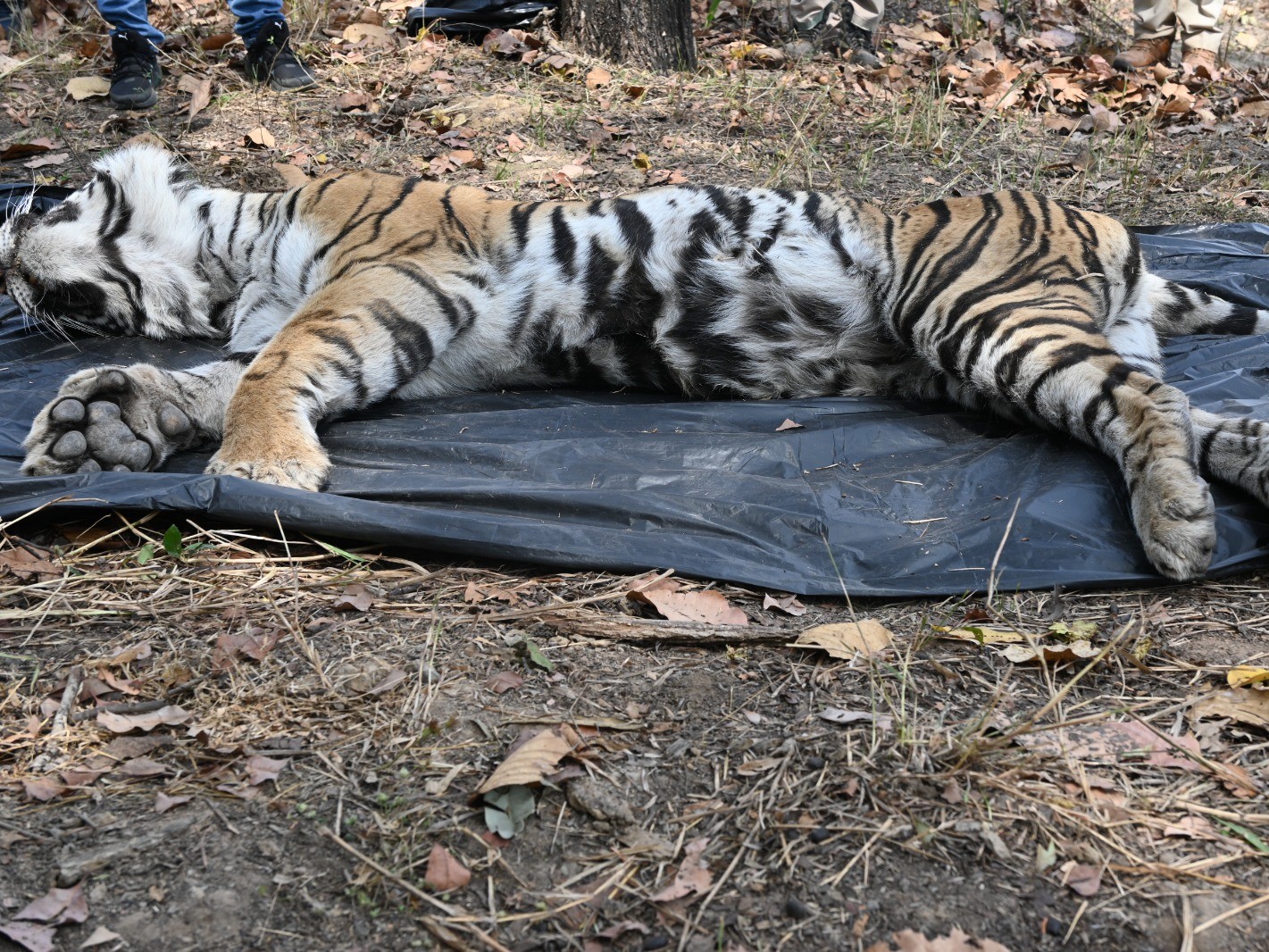
Tigress Dies at Bandhavgarh National Park, Liver Failure Confirmed
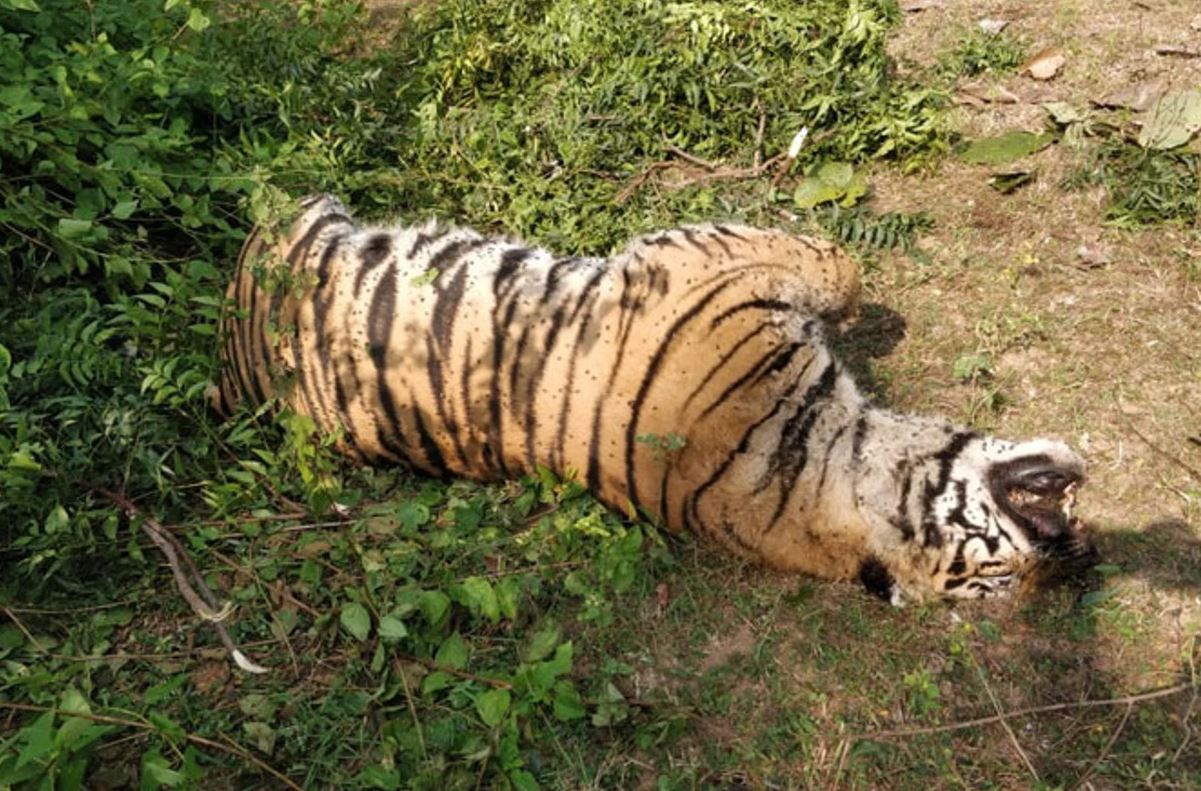
A five-year-old tigress died during treatment at Bandhavgarh National Park in Umaria district of Madhya Pradesh on March 17, 2026. The forest officials received information about a sick tigress on March 15 in the Manpur Buffer Range area near Banwai Nala Beat Damna. Senior officials, including the Field Director and Wildlife Health Officer, were present at the location the same day and inspected the elephants. The tigress was seen struggling to move over any significant distance, and this was the first sign of something being wrong with the animal. The initial treatment was provided on the spot before planning the rescue operation.
How the rescue and treatment were carried out
Another check at Bandhavgarh National Park was conducted by forest officials on March 16, and the tigress was successfully rescued. The tigress was then shifted to the Baherha enclosure within the reserve for continued medical attention. The tigress was closely monitored by the team the following morning. However, in the afternoon of March 17, the tigress unfortunately passed away despite continued efforts at treatment. As soon as this was confirmed, senior officials and the National Tiger Conservation Authority were notified at once. On March 18, a post-mortem was conducted in the presence of senior officers and all relevant representatives, and all guidelines set by the NTCA were strictly adhered to in the process.
What the post-mortem revealed about the cause of death
The autopsy indicated that the main reasons for the death of the tigress in Bandhavgarh National Park were damage to the liver and splenomegaly, which is characterized by an abnormal enlargement of the spleen. Internal bleeding was also detected during the autopsy. The Field Director, Mr. Sahay, confirmed that the tigress was in poor condition when it was spotted, and it was immediately rescued and given medical attention before it passed away. The samples from all organs have been collected and sent for further investigation to a lab. The results from the lab will give a better picture of what could have triggered illness in the first place. The organs were found in normal condition, and no signs of poaching were detected.
Why is this loss significant for tiger conservation in Madhya Pradesh
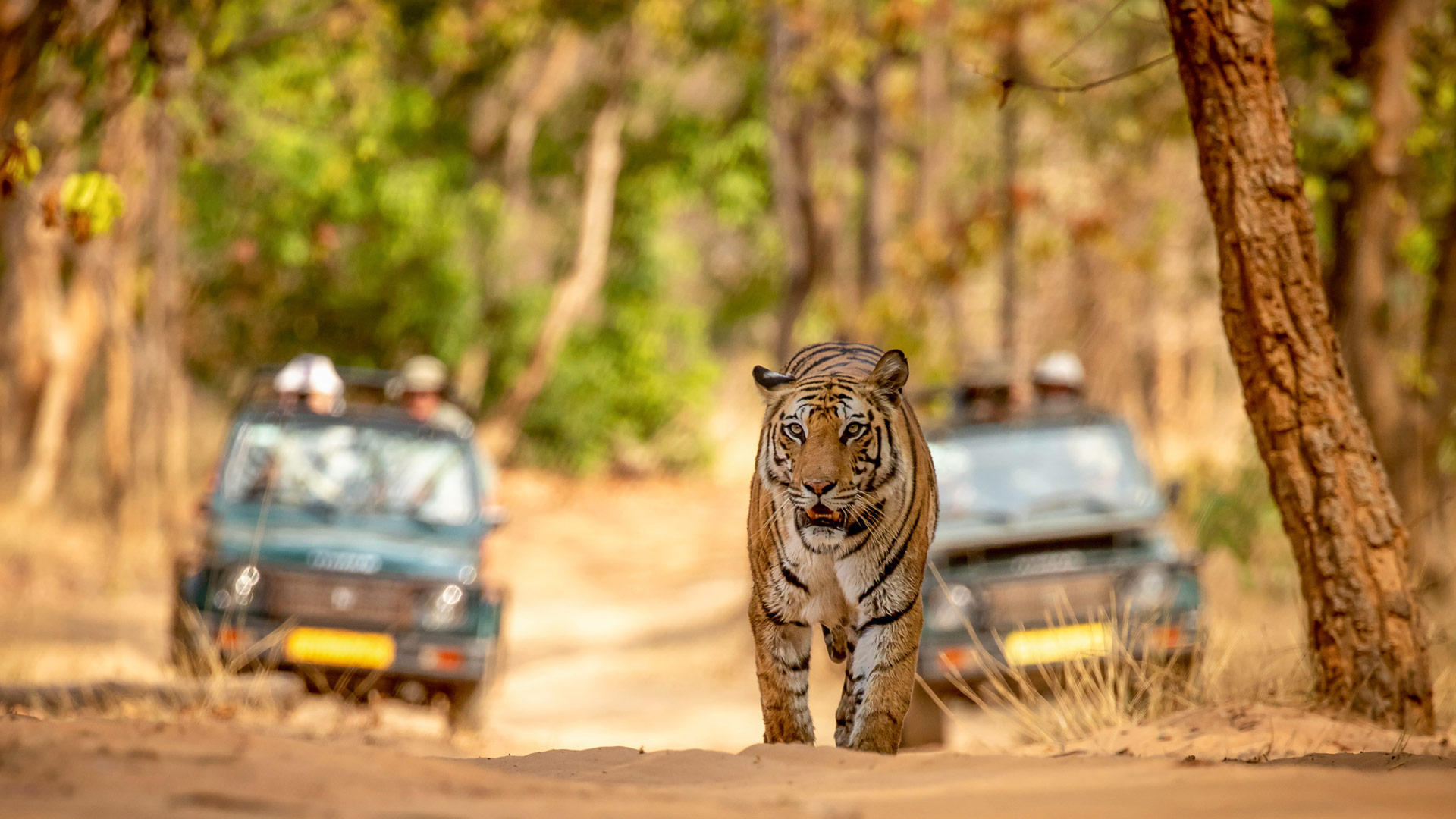
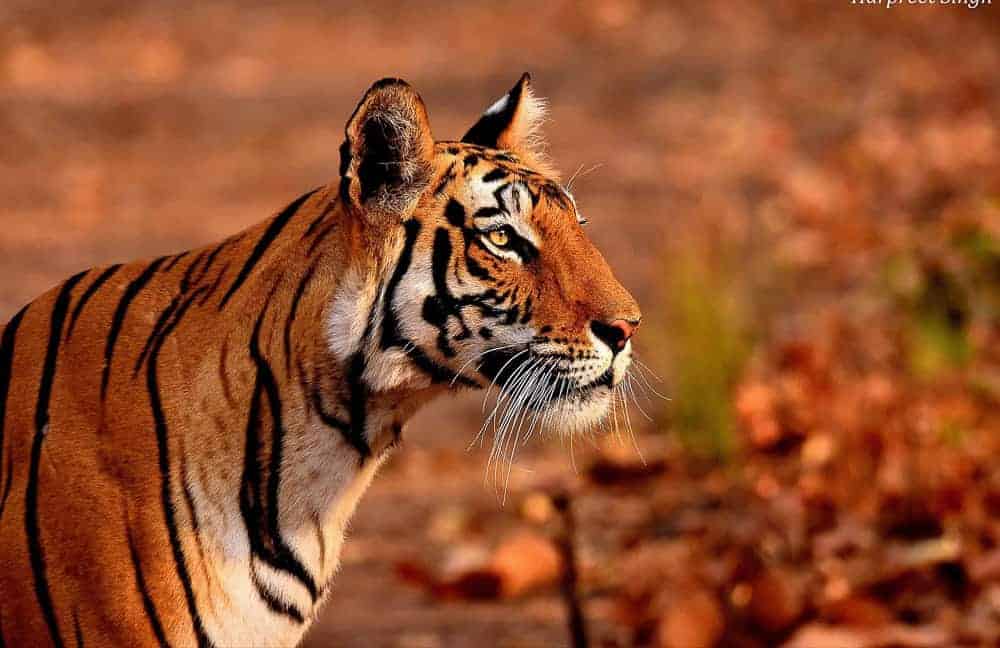
Madhya Pradesh is known as the Tiger State of India. It is home to the highest number of tigers in India. Bandhavgarh National Park is one of the most significant tiger reserves in Madhya Pradesh. It is known for a high tiger density. The loss of this five-year-old tigress is a major blow to the tiger reserve. It is just another tragic incident in a series of tiger deaths in India. T-20, the oldest tiger in Pench Tiger Reserve in Seoni in Madhya Pradesh, is no more. This incident has raised a question regarding the safety and well-being of tigers in India. Every tiger death is not just a loss in terms of numbers, but it is a loss in terms of the genetic pool, too.
Conclusion
The death of this tigress in the Bandhavgarh National Park is a reminder of the fragile state of the animal's health, despite the best possible treatment and care being given in a short span of time. The forest department responded in time and followed the necessary protocols, but still, they could not save the animal. The harsh reality is that the health of a wild animal like the tiger deteriorates fast after the onset of a serious illness. What is important is that the test results are analyzed properly so that the forest department gets a clear idea whether this is an isolated case or a part of a bigger problem. The health of the tigers in the buffer zones needs to be checked regularly so that the chances of saving the animals are higher.