What Are Some Facts About Bandhavgarh Tiger Reserve?
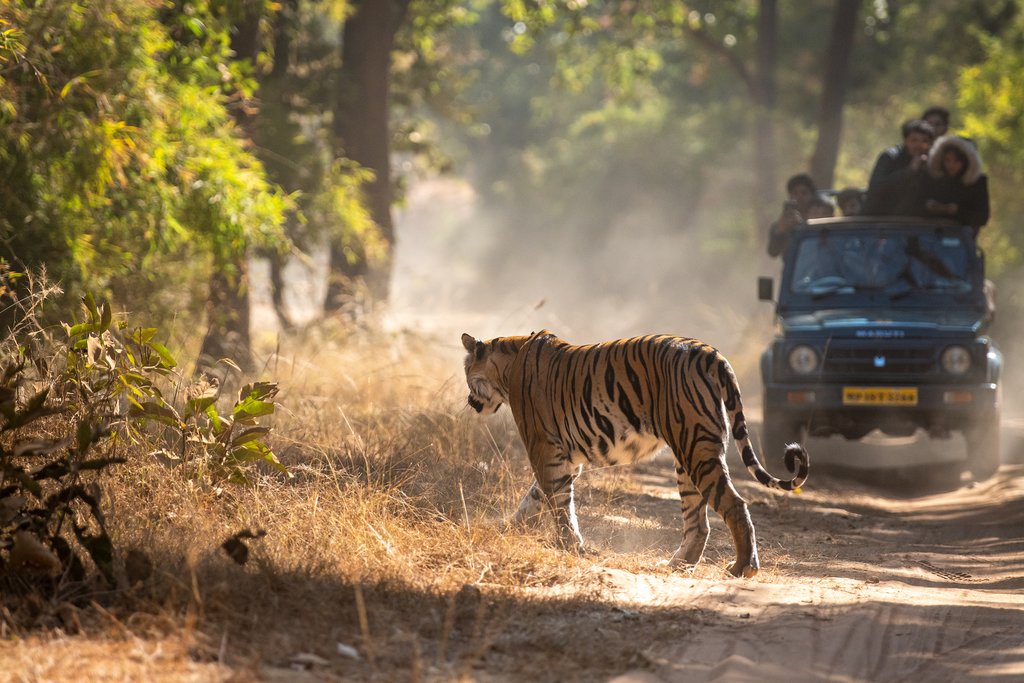
Bandhavgarh Tiger Reserve is one of India's most well-known wildlife reserves. It is well-known for having a lot of Bengal tigers and for being a great place to see tigers on safari. Bandhavgarh is in the state of Madhya Pradesh and gets thousands of visitors every year. Families, students, wildlife photographers, and tourists from various nations come to see it. A lot of people come to this reserve hoping to witness a tiger wandering about in the woods. But Bandhavgarh Tiger Reserve isn't just about tigers. It also has a lot of history, beautiful scenery, and different kinds of plants and animals. The reserve is a great place to learn about animals, conservation, trees, and even old Indian history.
Location and Landscape of Bandhavgarh Tiger Reserve
The Bandhavgarh Tiger Reserve is in the Umaria district of Madhya Pradesh, which is in central India. The Vindhya Hills give the area a rugged and steep look. The reserve is about 1,500 square kilometers in size, and it includes both core and buffer areas. The core area is the safest portion of the forest, where animals can live without being disturbed by people. The buffer zone is around the core region and lets certain tourism and village activities happen. The terrain of Bandhavgarh is incredibly gorgeous and varied. There are thick sal trees, bamboo forests, wide meadows, rocky cliffs, valleys, and little streams in there. These broad grasslands are particularly significant because they make it easier to see animals on safaris. The reserve also features a number of bodies of water that help animals stay alive, especially in the summer when it's hot. The combination of forests, hills, and meadows makes a balanced habitat where many different kinds of plants and animals can thrive.
Historical and Cultural Importance
One of the most amazing things about Bandhavgarh TIger Reserve is how important it is to history. The name "Bandhavgarh" stems from two Sanskrit words: "Bandhav," which means "brother," and "Garh," which means "fort." Hindu mythology says that Lord Rama gave this fort to his brother Lakshmana after he got back from Lanka. People think this way, hence the Bandhavgarh Fort inside the reserve is important to their religion and culture. People think that the Bandhavgarh Fort is over 2,000 years old. It is on a hill in the woods and has a great view of the area around it. There are also old caves and engravings in the reserve that prove that people lived here a long time ago. The Maharaja of Rewa used to hunt at Bandhavgarh before it became a national park. It was made a National Park in 1968 and then, as part of Project Tiger, a government campaign to protect and expand the tiger population in India, it became a Tiger Reserve in 1993. Another well-known fact is that the first white tiger in India was found in the nearby Rewa region, which makes this area even more important.
Why Bandhavgarh Is Famous
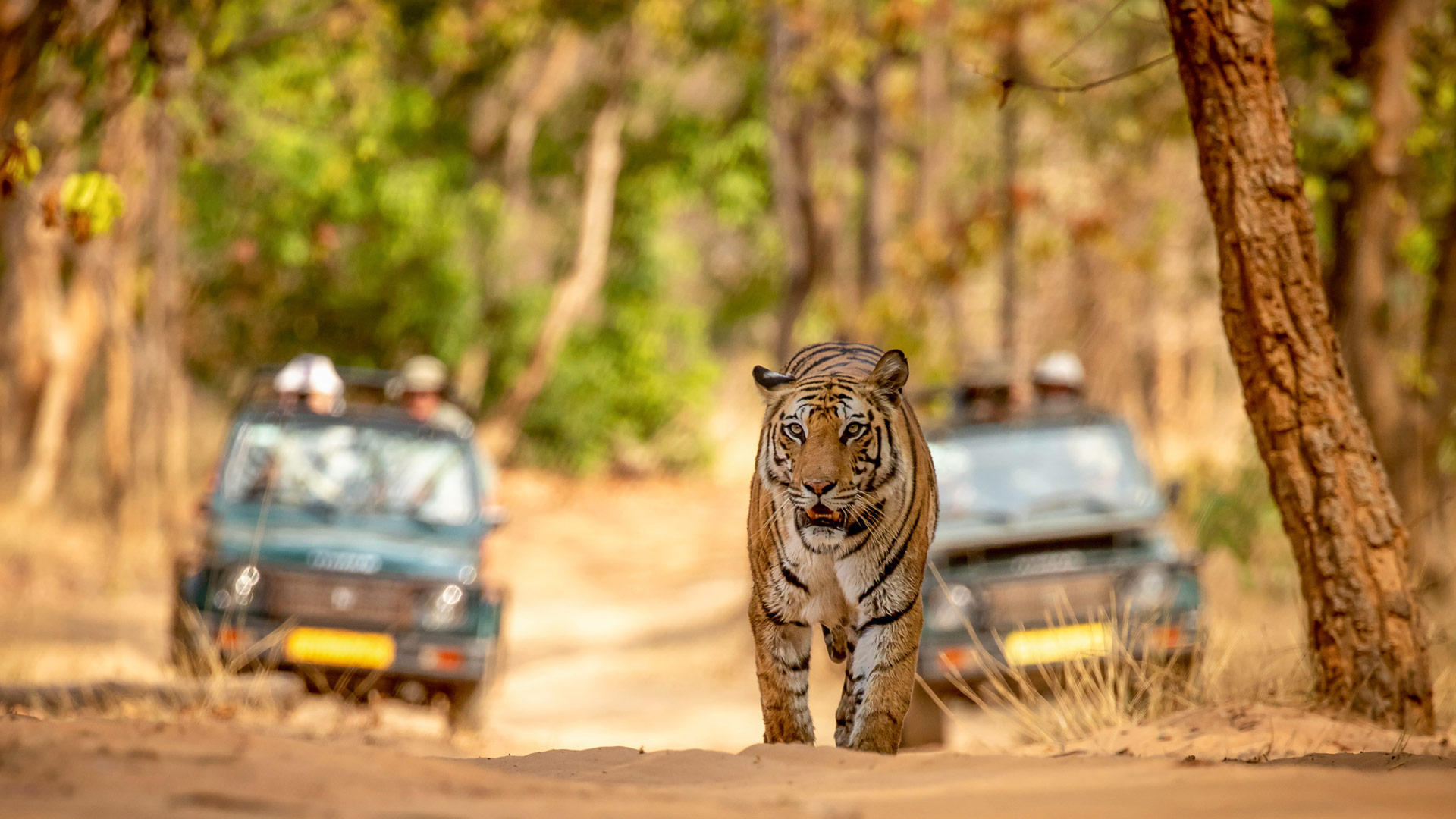
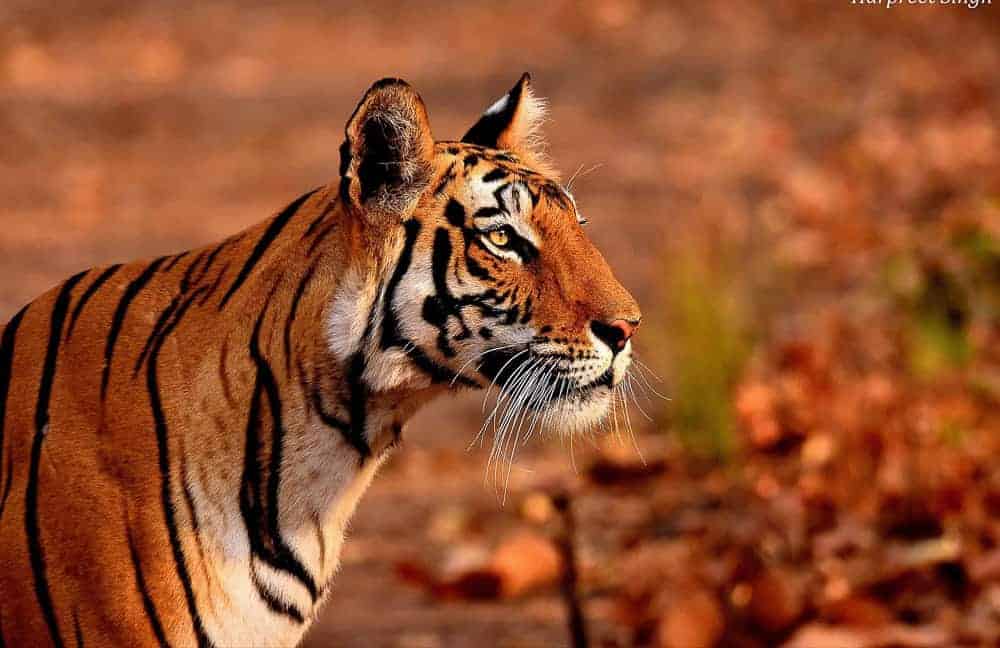
Bengal tigers are the main reason why people know about Bandhavgarh Tiger Reserve. It boasts one of the greatest tiger populations in India, thus you're more likely to encounter a tiger on a safari here than in many other parks. This is why nature enthusiasts and wildlife photographers like Bandhavgarh. The reserve is also noted for its beautiful scenery, quiet atmosphere, and medieval fort, in addition to tigers. Bandhavgarh is one of a kind since it has both wildlife and old history. People that go on jeep safaris not only have fun, but they also learn about India's cultural heritage, conservation, and life in the forest. The park is very well-run, and safaris are planned in a safe and organized fashion.
Wildlife and Biodiversity
There are several kinds of animals, birds, and reptiles in the Bandhavgarh Tiger Reserve. The Bengal tiger is the main draw, although the jungle is also home to leopards, sloth bears, Indian gaurs (bison), wild boars, jackals, and hyenas. In the grasslands, you can often spot many kinds of deer, like chital, sambar, barking deer, and nilgai. These herbivores are vital to the environment because they are food for predators like leopards and tigers. You can readily watch monkeys and langurs hopping from tree to tree. There are more than 250 species of birds in the reserve, therefore it is also home to a lot of birds. During safaris, you can often see peacocks, eagles, owls, vultures, kingfishers, and parakeets. There are also snakes, lizards, and turtles here. Bandhavgarh has a healthy and balanced environment because it has so many different kinds of animals.
Safari Zones and Entry Gates
There are various safari zones in Bandhavgarh Tiger Reserve to protect wildlife and handle tourists effectively. The primary key areas are Tala, Magadhi, and Khitauli. The Tala Zone is the oldest and most popular zone. People often see tigers there, and the Bandhavgarh Fort is also there. The Magadhi Zone is also known for its open meadows and tiger migration. Khitauli Zone is noted for its grasslands, where you can see deer, birds, and sometimes leopards. There are also buffer zones like Panpatha and Dhamokhar that make the safari quieter and have fewer cars. There is a different entry gate for each zone, like Tala Gate, Magadhi Gate, and Khitauli Gate. To keep the areas from getting too crowded, only a small number of safari vehicles are allowed in each zone during each shift. People go on safaris in open jeeps with professional drivers and official forest guides. There are normally two shifts for safaris each day: one in the morning and one in the afternoon. Each safari lasts about three to four hours. During the journey, the guides talk about how animals act, different sorts of forests, and how to protect them.
Best Time To Visit Bandhavgarh
Every year, from October to June, Bandhavgarh Tiger Reserve is open. The greatest time to go depends on what kind of experience you seek. The weather is nice and cool from October to March, which is great for families and students. The woodland looks lush and fresh after the monsoon around this time. The weather gets exceptionally hot from April to June, with temperatures sometimes going over 40 degrees Celsius. But this is the best time to see tigers since they come together near water sources. Even though it's hot, wildlife photographers frequently like this time of year. Heavy monsoon rains and the safety of wildlife keep the park closed from July to September. There are two Bandhavgarh safaris every day, one in the morning around 6 AM and one in the afternoon around 3 PM. Each safari lasts about three to four hours.
You may get to Bandhavgarh Tiger Reserve via car, train, or plane. The closest train station is Umaria, which is around 35 kilometers from the Tala zone. Katni and Jabalpur are two other train stations close by that have stronger connections to major Indian cities. Jabalpur Airport is the closest airport, and it is roughly 160 kilometers away. You can take a taxi or bus from these cities to get to the park. Most people that come to Tala village like to stay there because it is close to the main safari entrance. Hotels and resorts typically offer pickup and drop-off services, which makes travel easy and enjoyable.
Accommodation and Facilities
There are plenty of places to stay around Bandhavgarh Tiger Reserve, from cheap lodges to fancy jungle resorts. Most hotels are close to the village of Tala. To provide guests a full experience, several resorts also plan nature hikes, trips to villages, and cultural events. Visitors can get to the safari gates in time if they stay close to the park, especially for early morning safaris.
Conclusion
Bandhavgarh Tiger Reserve is a great example of how history, nature, and conservation can all work together. It is known for having a lot of tigers, an old fort, gorgeous woodlands, and a lot of different kinds of plants and animals. Bandhavgarh is a fun and educational place to visit, with everything from thrilling safaris to lessons on conservation. When you go to this reserve, you don't just witness animals; you also learn how important it is to safeguard nature and wildlife for the future.