200 Tigers Killed in Twenty Years as Per Official Records: Tiger poaching in India
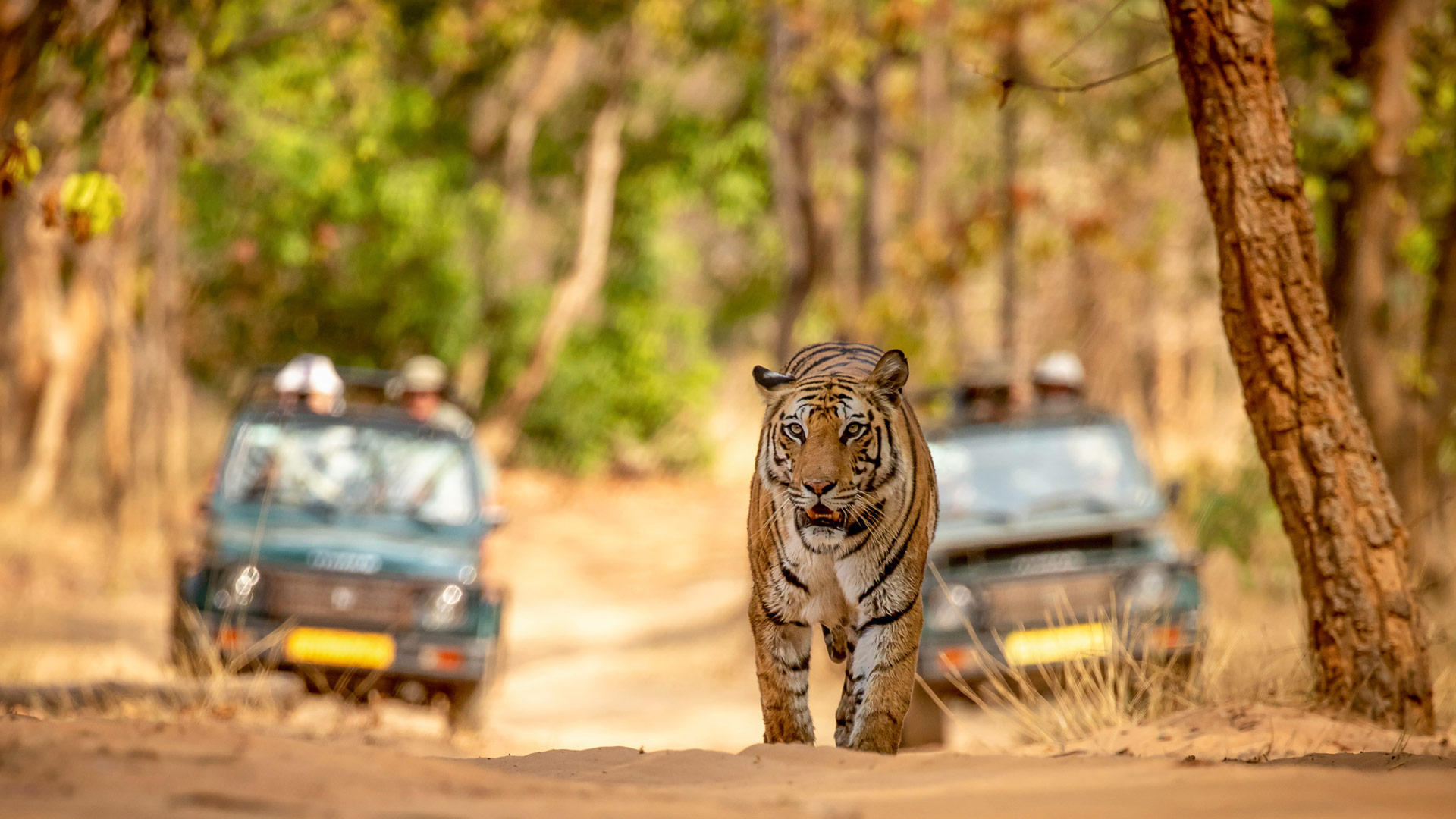
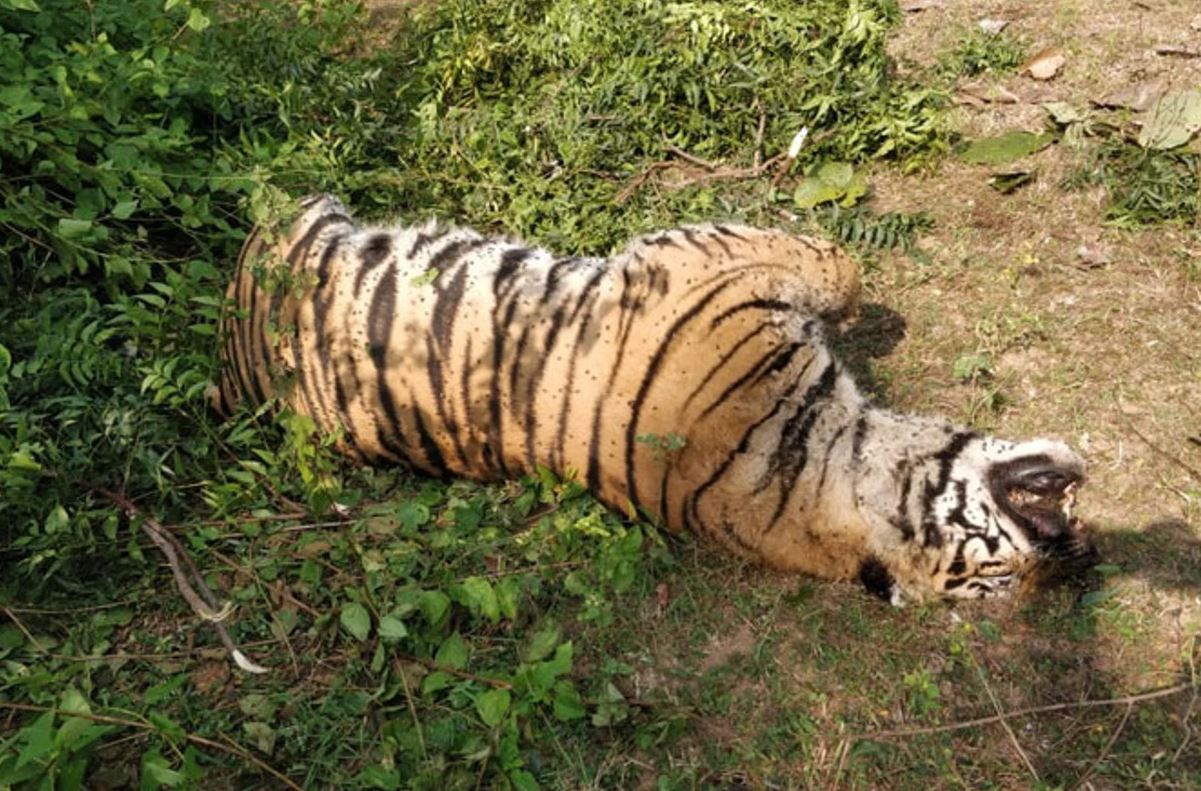
Out in India, tigers roam wider and deeper than in any other land. Close to 3,600 prowl forests without chains or cages. This stretch of wilderness holds about seventy-five percent of all tigers walking the planet. A slow climb brought them back; no fanfare, just steady ground gained. People usually praise India’s efforts to protect wildlife. But now a new report tells a different tale. From 2005 to 2025, nearly two hundred tigers slipped into illegal trade, documents show, after a court order released them. These numbers came from a group that polices nature laws, so they matter. Even as tiger counts in forests seem to rise, quiet hunts go on out of sight. Behind gains, hidden currents pull toward dark corners where buyers wait without noise. Tiger poaching in India has a big impact on these numbers.
Madhya Pradesh Leads in Case Numbers
Madhya Pradesh holds more tigers than any other state in India, earning it the nickname "Tiger State." Famous reserves like Kanha, Bandhavgarh, and Pench draw attention across borders. But hidden beneath that reputation is something troubling; data pulled through RTI shows this area tops national poaching numbers. Over the past twenty years, unlawful hunting claimed 36 tigers within these forests. Across central India, tiger poaching in India appeared 59 times during those years. After Madhya Pradesh, Uttar Pradesh counted 14 cases. Karnataka stood next, with thirteen events noted there. In Maharashtra, nine turned up on record. Six happened in Assam. States like Uttarakhand, Kerala, Tamil Nadu, Chhattisgarh, and Andhra Pradesh also reported occurrences. Tiny numbers? Maybe. Compared to 3,600 tigers, sure. But everyone counts equally. Tigers breed at a crawl. Losing even one adult ripples through the entire forest web.
Why Are Tigers Hunted by Poachers?
Where trees stretch wide and quiet, researchers blame hidden networks for moving feline parts across lands. Fur crosses lines unseen, skeletons pass without sound, and talons vanish into markets that leave no trace. Old cures demand these pieces, so some countries continue seeking forbidden goods. Laws exist clearly in documents; however, they need to bend paths where eyes don’t follow. Even when punishment waits close, the want for rare prizes hides just below. Deep in forest shadows, away from sight, faint footprints can whisper secrets. Years of watching tigers have shaped Dr. Y. V. Jhala’s view; what numbers show might not capture the truth. Where green walls grow dense, harm to animals slips by unnoticed. That quiet? It lets real damage hide behind paper tallies. India enforces tough wildlife laws. Peering through leafy cover, forest rangers stay alert. Motion-sensing cameras quietly capture activity across many zones. Still, poachers dodge checkpoints, ending creatures’ lives. Organized trafficking networks resist control despite strong enforcement.
Leopard poaching India: Leopards at Greater Risk
Out in the open, leopard issues stare back from RTI files. Across a twenty-year stretch starting in 2005, nearly ninety-two were leopard poached somewhere in India. Himachal Pradesh held the highest count, with twenty-one confirmed. After that, Andhra stepped into view. Close behind, Jammu and Kashmir saw their share too. Punjab had its moments; just like Uttar Pradesh, there, snares and firearms took their toll. Now and again, news slipped out from Uttarakhand. More cases piled up in Madhya Pradesh, whereas Tamil Nadu brought up the rear with incidents of its own. Behind every figure lies a hushed tale of what was lost. Fewer trees mean less space for leopards to roam free. Roads slicing through green cover shrink their world slowly. Homes are spreading out to replace thick bushes where big cats once hid. Farms now stand where wild creatures used to hunt at night. Animals shift routes, drawn by smells from human settlements nearby. Hunger leads them closer, step after cautious step. Close encounters don’t always turn dangerous, some pass without harm. Yet tension builds when paths cross too often. When people hunt without permission, trouble follows. This helps explain why more leopards are dying, say researchers.
India's Tigers Are Growing But Still Struggling
India’s forests hum with life, home now to roughly 3,600 big cats. Progress here didn’t rush in overnight. Years upon years shaped quiet zones where trees stretch freely. Numbers rise since boots on the ground follow every mark left behind. Nowhere else does this struggle move so surely forward. Pulling numbers aside, the RTI data says tiger poaching continues. The figure might seem small - yet two hundred lost in twenty years carries weight. Each animal plays a role in keeping the woods balanced. Big shifts are needed, experts say. With better technology, spotting wildlife crimes could become simpler. Because illegal trade moves fast between nations, global teamwork helps. People living near forests may need to take part in safeguarding efforts. When folks grasp how creatures play a role, they’re more likely to act. Seeing worth in the wild often leads someone to protect it.
Conclusion
Some tigers vanish now across India, but protection cannot fade. Tiger poaching in India is a big crime in the nation today, Hunters who kill illegally linger, impossible to ignore. Protecting wildlife isn’t only about numbers adding up. Every single life holds equal weight; sometimes change begins quietly. Staying committed matters when protecting creatures like lions and bears. Smart moves now help pandas and jaguars live later. While officials act, everyday actions add up just as much. Responsibility spreads across everyone, not just leaders.