Know the History Behind Bandhavgarh National Park
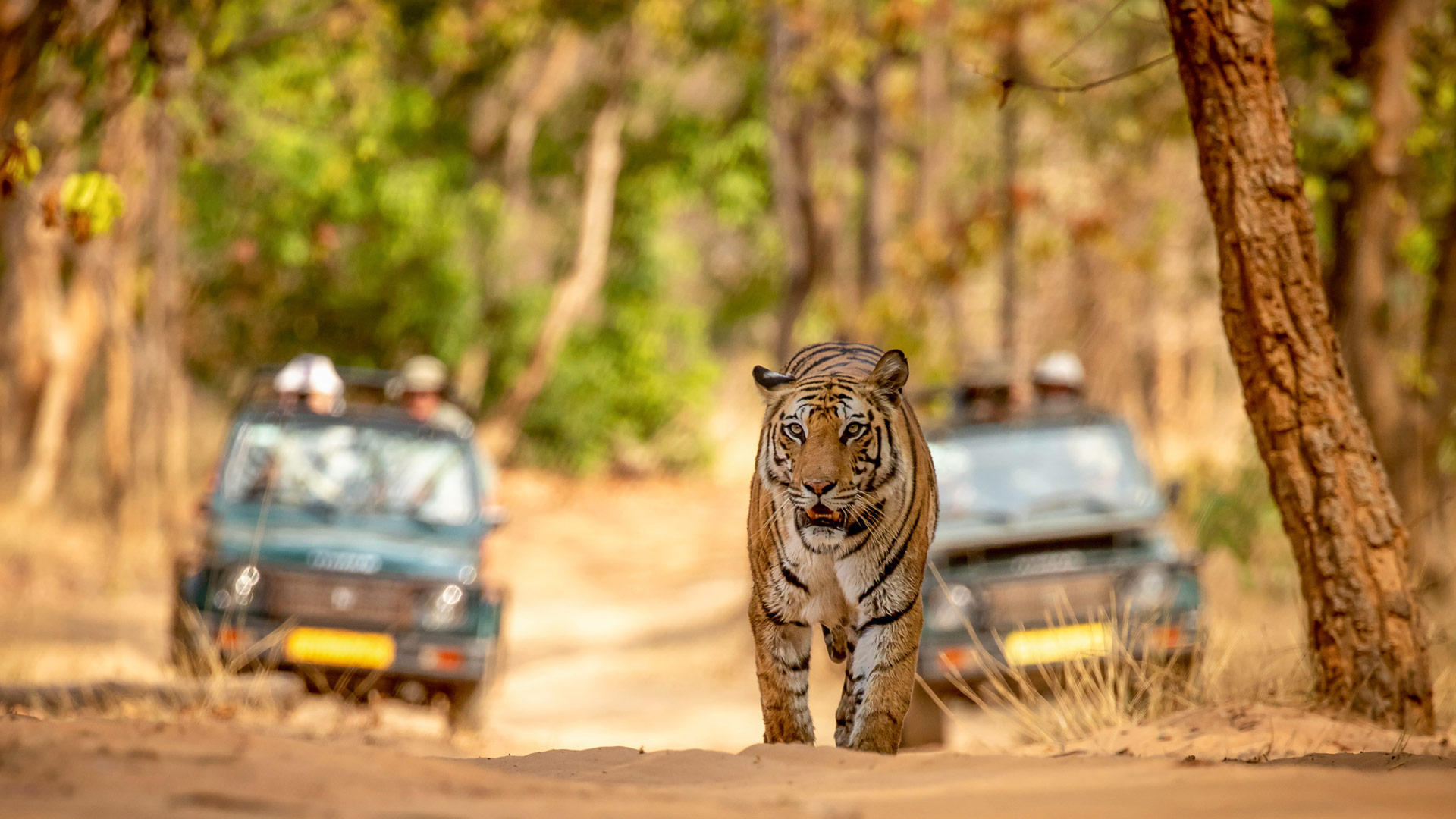
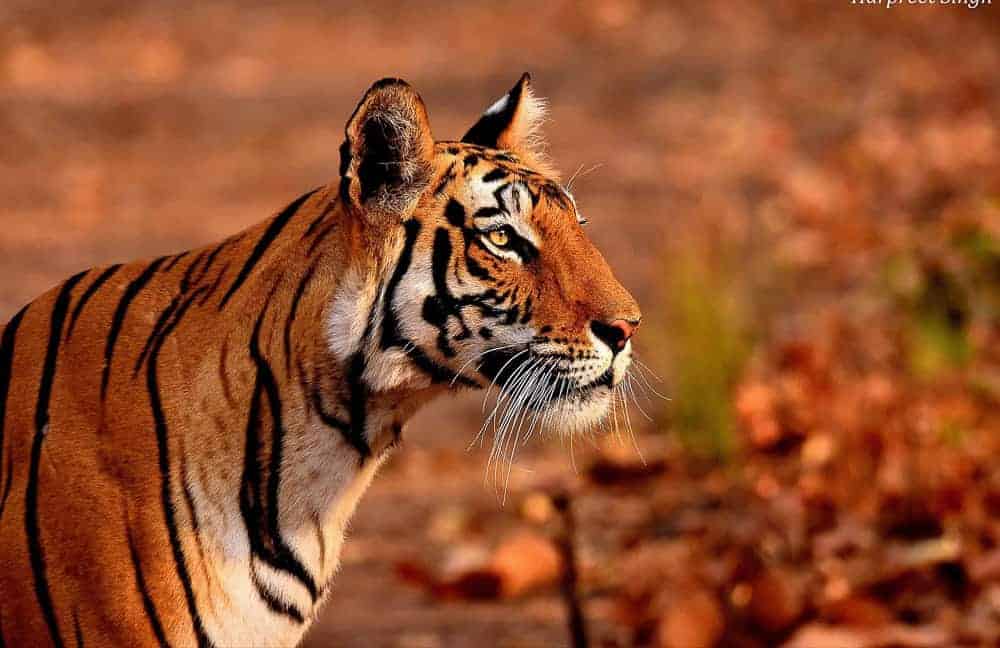
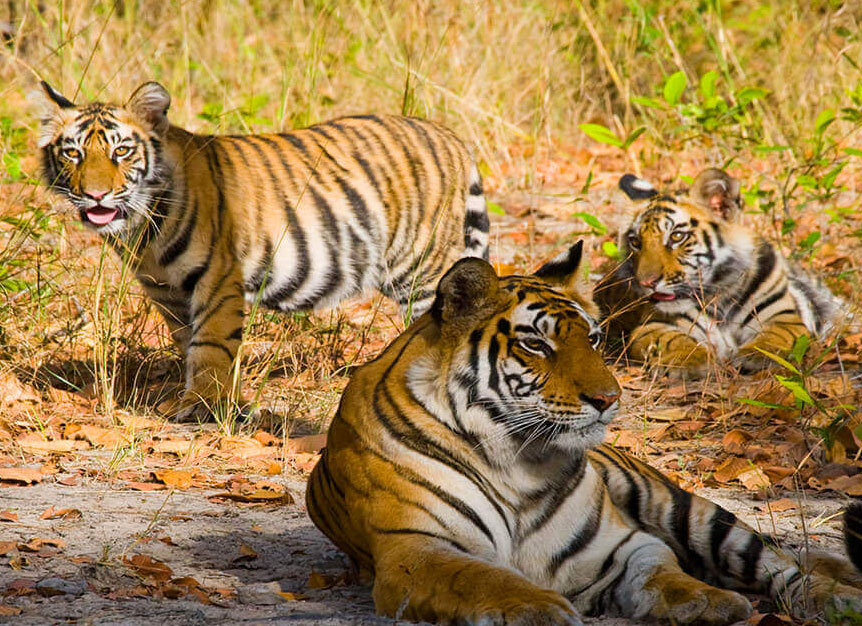
The journey to Bandhavgarh National Park was not simple. It’s a land of tigers. India's first national park, there, the origin of the white tiger {MOHAN} was found by the Rewa ruler Maharaja Martand Singh in 1951. According to the area of Bandhavgarh National Park, sighting a tiger is easy sometimes; tiger sightings are 2-3 times in one safari, which makes Bandhavgarh different from other national parks.
Bandhavgarh National Park before 1998:
During 1617, Bandhavgarh was totally like this; this area came under the Rewa Maharajas, and this area was their own private game reserve. When Maharaja Vikramaditya Singh shifted his capital from Bandhavgarh to Rewa, the entire area began to become deserted. This resulted in an increase in wildlife and tiger populations. Until 1935 this entire forest became the private hunting reserve of the Maharaja of Rewa. Only the royal family and their guests were allowed to hunt tigers here. In 1951 Maharaja Martand Singh captured the first white tiger (Mohan) in this forest, after which this place became famous on the world map. After the formation of Madhya Pradesh as a state in 1956, the government realized that without any law this forest would be destroyed because hunting and cutting of trees were increasing. After that, in 1968, it was declared Bandhavgarh National Park
History of Hindu Concept:
According to Hindu religious belief, Lord Rama was the first king of Bandhavgarh, for when he returned to complete the war with Ravan, he gifted this fort to his loving brother to protect Sri Lanka; after that, it was called this brother’s fort. The God of Monkey, Hanuman ji, and his team make the wall of the fort safe and secure. India is known for its unique stories and myths, including the Bandhavgarh Fort. References to this fort are found in Narada's Panchratna and Lord Shiva's Puranas. The fort's walls are adorned with numerous human paintings, including portraits of those who ruled the fort, as well as cave inscriptions and rock paintings.
Shesh Saiya in Bandhavgarh National Park is a massive 10th-century reclining statue of Lord Vishnu, hidden in the park's dense forest. This 65-foot-tall, single sandstone carving represents an important, sacred, and historical link to the region's storied past. The statue is believed to have been created during the Kalachuri dynasty, specifically around the 10th century AD, during the reign of King Yuvrajdeva. The king's minister, Golka, is said to have commissioned this masterpiece, creating a magnificent reclining statue of Lord Vishnu reclining on the coils of the seven-hooded serpent, Shesh Naga, or Shesha.
The name "Shesh Saiya" means "sleeping snake," referring to Vishnu resting on the cosmic serpent. The statue depicts Vishnu in a serene, "sleeping" posture. Next to the main statue, visitors can find a Shiva Linga to the left and a statue of Brahma to the right, completing the Trimurti Hindu Trinity at the site. A perennial natural stream originates directly from Lord Vishnu's feet, forming a small, tranquil pond before flowing into the park as the Charan Ganga River. This river is essential to the park, providing water to the pond zone year-round. The name "Charan Ganga" means "Ganga River flowing from the feet." "Due to its immense spiritual significance and remote, tranquil location, it is the only place in the entire Bandhavgarh National Park where visitors are permitted to leave their safari vehicles and explore on foot.
The statue is often covered with green cyanobacteria, ancient organisms that helped create oxygen on Earth, further enhancing the site's unique, natural feel. It is also a popular spot for birdwatching and, occasionally, for spotting tigers, who come to the watering hole to drink. This place is a quiet testament to India's artistic, cultural, and spiritual history, nestled in the heart of a tiger reserve.
Why Bandhavgarh National Park Famous Today:
Bandhavgarh, which at one time used to be a quiet jungle where only the royal family members were known to come, today has people from all corners of the world coming to visit it. The growing hunting and shooting under the rule are proof of a successful bounty. Bandhavgarh is known in the whole of India despite its small area. The chances of seeing a tiger in a small area are highest in Bandhavgarh only. It is very likely to see a tiger 2-3 times in one safari. Its unique combination of compact topography, exceptional tiger mobility, and man-made antiquity makes it different fromotherr national parks.
Bandhavgarh is a place that was India's first origin of MOHAN, a white tiger by Rewa ruler Maharaja Martand Singh in 1951. Bandhavgarh National Park has the highest density of tigers not only in India but also in the world. Tiger sightings are the most likely during a safari here.
Apart from the National Park, we also get to see the footprints of two brothers. When Lord Rama was returning to his kingdom after fighting Ravana, the king made this famous fort, Bandhavgarh Fort, his younger brother Laxman's and said that you should keep an eye on Sri Lanka from here.
Within the forest is a 32-foot-tall, ancient statue of Lord Vishnu lying down, from whose feet the river "Charan Ganga" flows. This natural and spiritual sight is truly unique. It sits atop a perennial water tank, which, along with statues of Shiva and Brahma, makes for a captivating sight.